Targeted

protein

degradation

beyond

conventional

limits.

We develop smaller protein degrader therapeutics to reach new biological targets and bigger populations. First stop: neurodegenerative disease.

First-generation protein degraders are limited

Targeted protein degraders use the cell’s natural protein-clearance machinery to remove disease-driving proteins rather than simply inhibiting them. This ability to eliminate, rather than block, opens up a new frontier in drug discovery. But emerging degrader types each bring their own opportunities and challenges.

Bifunctional degraders

modular
BULKY

Bifunctional degraders have modular components, but their large size limits oral bioavailability and penetration into tissues like the brain.

Molecular glues

drug-like
serendipitous

Molecular glues are smaller and have more favourable drug-like characteristics, but do not offer the same rational, modular design approach.

What

if

you

could

com

bine

the

advantages

of

both?

Introducing Our SELFTAC Platform

Bifunctional degraders are powerful but often too large to efficiently cross biological barriers.

Our proprietary platform allows degraders to travel as smaller components before self-assembling into their active form.

Separate

SELFTACs exist as two small molecules designed to cross biological membranes like the gut wall, cell membranes and the blood-brain-barrier

Assemble

Once across the blood-brain barrier, the components reversibly self assemble into an active bifunctional degrader with rational drug design

Degrade

Once assembled, the SELFTAC behaves like a standard PROTAC, summoning the cell’s natural protein-clearance machinery to remove the target protein.

The

function

of

a

full

degrader

The

distribution

of

a

small

molecule.

Protein

degradation

unlocked

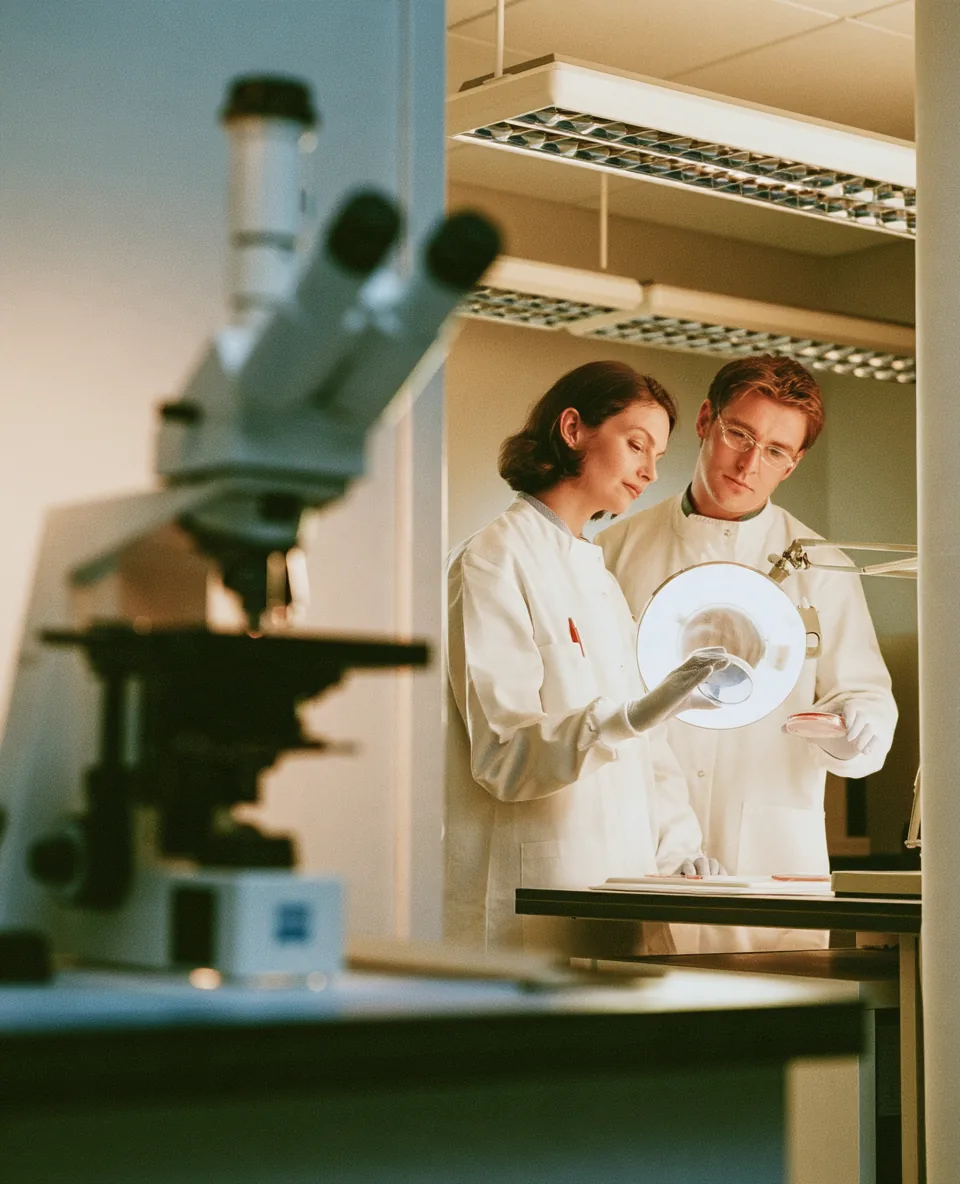
SELFTAC® enables a faster, more modular approach to developing oral and CNS-penetrant degraders, transforming how they are discovered and developed.

Key Features:

High Oral Bioavailability

Make oral degraders the expectation, not the exception.

Routine CNS penetration

Open the brain to protein degrader therapeutics

Faster, more efficient discovery

Turn iterative chemistry into modular design with reusable components

Integrate new technology

Integrate emerging E3 ligases to expand target applications.
Protein

degradation

unlocked

SELFTAC® enable a faster, more modular approach to developing oral and CNS-penetrant degraders, transforming how they are discovered and developed.

Key Features:

High Oral Bioavailability

Make oral degraders the expectation, not the exception.

Routine CNS penetration

Open the brain to protein degrader therapeutics

Faster, more efficient discovery

Turn iterative chemistry into modular design with reusable components

Integrate new technology

Integrate emerging E3 ligases to expand target applications.

First,

we’re

taking

on

Tau

Our first focus is developing an oral degrader designed to selectively remove pathological forms of tau while preserving healthy tau in Alzheimer’s disease.

Key Features:

Remove pathological tau

Target the forms of tau associated with disease.

Preserve healthy tau

Build selectivity into the therapeutic approach.

Reach the brain

Achieve broad distribution and deep penetration of the brain.

Enable oral administration

A medicine that can be accessed by a broad global patient population.
First,

we’re

taking

on

Tau

Our first focus is developing an oral degrader designed to selectively remove pathological forms of tau while preserving healthy tau in Alzheimer’s disease.

Key Features:

Remove pathological tau

Target the forms of tau associated with disease.

Preserve healthy tau

Build selectivity into the therapeutic approach.

Reach the brain

Achieve broad distribution and deep penetration of the brain.

Enable oral administration

A medicine that can be accessed by a broad global patient population.

Leadership Team

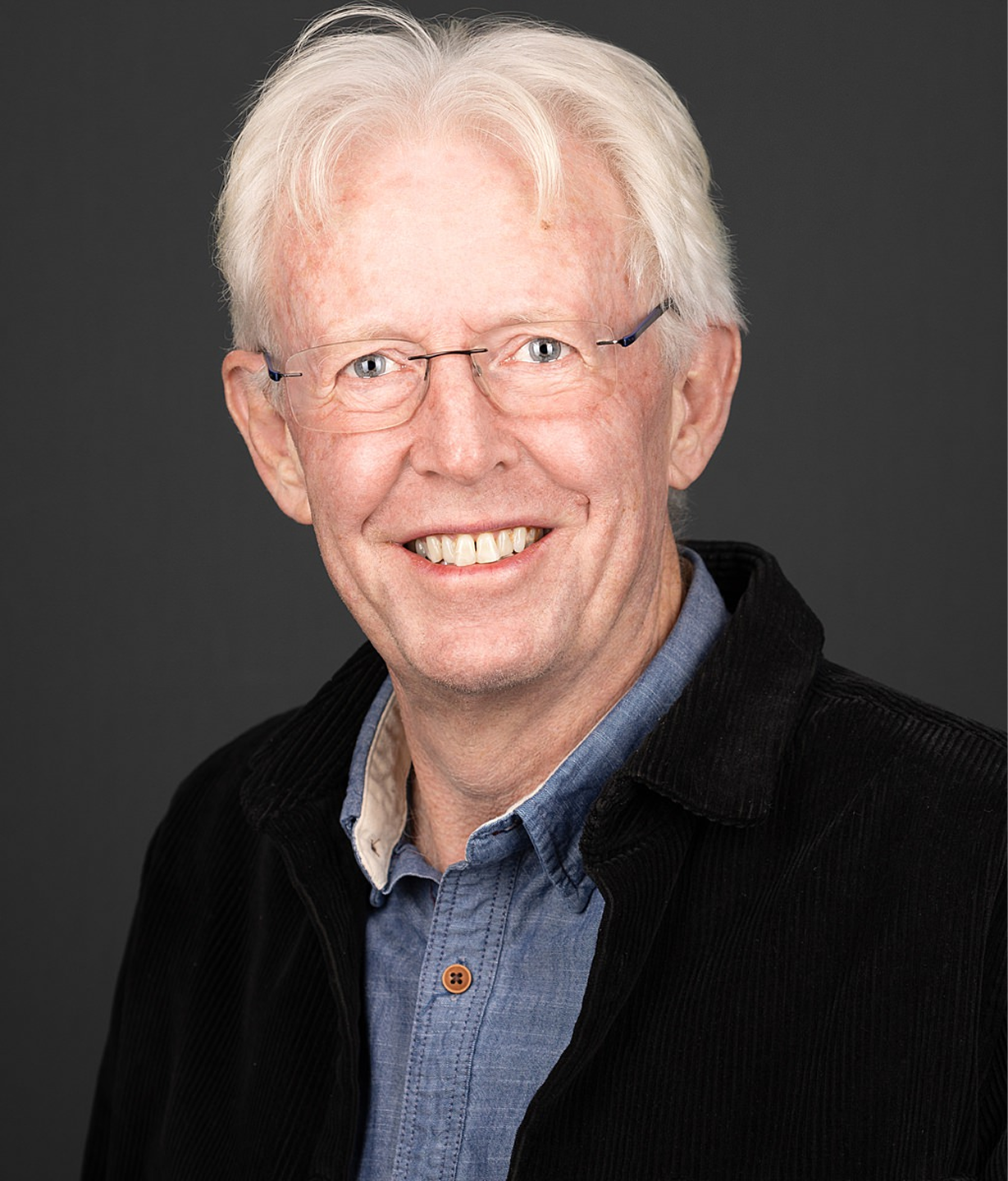
Robert Johnson
Chief Executive Officer

Robert Johnson

Chief Executive Officer
Robert Johnson

Rob has more than 25 years of industry experience. He was previously CEO of Adrestia Therapeutics, a synthetic rescue company acquired by Insmed in 2023, after which he served as Senior Vice President and Cambridge Site Head at Insmed.

Before that, he co-founded Affinia Therapeutics, a Boston-based gene therapy company that went on to form a $1.6 billion strategic alliance with Vertex, and co-founded the strategy consultancy Alacrita. Rob holds a degree in Molecular Cell Biology from the University of Nottingham.

Harry Finch
Founder & Chief Science Officer

Harry Finch

Founder & Chief Science Officer
Harry Finch

Harry founded the company in 2020, bringing decades of pharmaceutical experience in medicinal chemistry, drug discovery and development. He is co-inventor of GSK’s successful asthma drug salmeterol (Serevent), developed during a career spanning Ciba-Geigy (now Novartis), Roche and Glaxo, where he became Director of Chemistry at GlaxoWellcome.

He later worked at biotechs including Vernalis and Argenta Discovery, advised small biotechs and investors as an independent consultant, and served as a non-executive director of C4X Discovery, Pulmocide Therapeutics and Artios Pharma. Harry holds a PhD in Organic Chemistry.

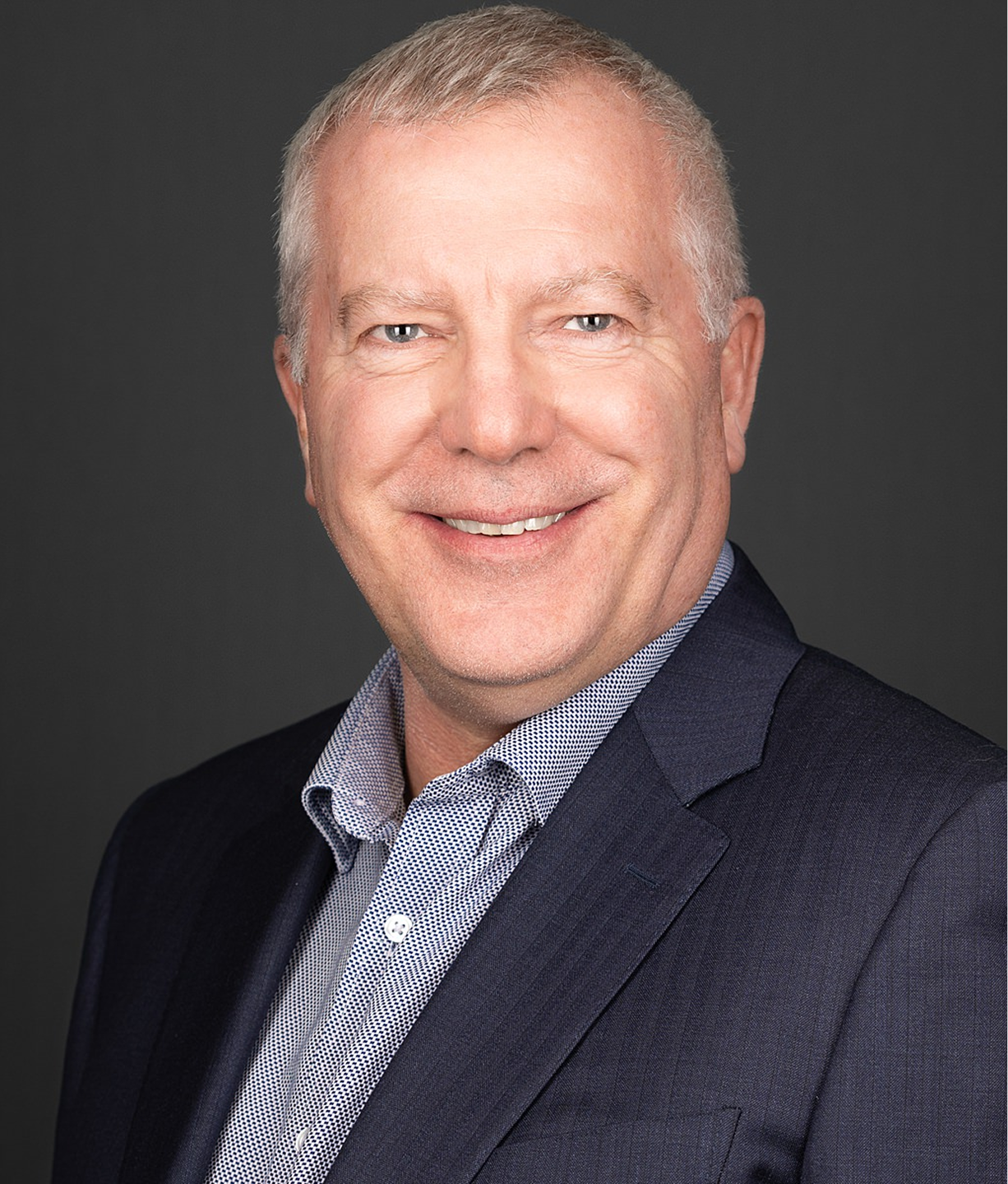
Mark Fox
Chief Financial Officer

Mark Fox

Chief Financial Officer
Mark Fox

Mark has more than 25 years of experience in finance and business leadership across international biotech, pharma and life sciences businesses, both private and public. Most recently he helped lead two fellow Syncona portfolio companies, Quell Therapeutics and, before that, Gyroscope Therapeutics, from start-up through to the clinic.

His experience spans early-stage research, clinical development and commercialisation, and alongside finance he has managed pharma manufacturing and laboratory services operations. Mark is a member of the Chartered Institute of Management Accountants.

Claire Walshe
SVP Early Research & Development

Claire Walshe

SVP Early Research & Development
Claire Walshe

Claire is a biologist with more than 20 years of project and team leadership experience spanning discovery, translational research and early clinical development in small biotech. As VP Program Lead at Mestag Therapeutics she helped build the R&D function and led the company’s first therapeutic program in fibroblast immunology.

Previously, as Head of Biology at Topivert Pharma, she led the translation of three assets from discovery into five early-stage clinical trials. Claire holds a PhD in Cancer Immunology and Immunotherapy from the University of Southampton.

Justin Bower
VP Discovery & Technology Development

Justin Bower

VP Discovery & Technology Development
Justin Bower

Justin is a medicinal chemist and drug discovery leader with more than 24 years’ experience across large pharma, biotech and the not-for-profit sector, having directly contributed to multiple clinical candidates across a range of target classes and disease areas.

Before joining, he held senior drug discovery positions at Cancer Research UK, leading teams on several high-value, challenging oncology targets. Justin holds a PhD from Loughborough University, completed postdoctoral work at the University of Waterloo, Canada, and has authored more than fifty patents and publications.

Investors

4Bio Capital Logo
Lilly LogoMission Biocapital logoMGB Ventures LogoOxford Science Enterprises LogoSyncona Logo
4Bio Capital Logo
Lilly LogoMission Biocapital logoMGB Ventures LogoSyncona Logo

Board of Directors

Clive Dix Chairman

Tim Clackson Non-Exec Director

Owen Smith Non-Exec Director

Chaya Patel Non-Exec Director

Craig Fox Non-Exec Director

Raghd Rostrom Non-Exec Director

Rob Johnson Chief Executive Officer

Founders

Harry Finch

Harry founded the company in 2020, bringing decades of pharmaceutical experience in medicinal chemistry, drug discovery and development. He is co-inventor of GSK’s successful asthma drug salmeterol (Serevent), developed during a career spanning Ciba-Geigy (now Novartis), Roche and Glaxo, where he became Director of Chemistry at GlaxoWellcome. He later worked at biotechs including Vernalis and Argenta Discovery, advised small biotechs and investors as an independent consultant, and served as a non-executive director of C4X Discovery, Pulmocide Therapeutics and Artios Pharma. Harry holds a PhD in Organic Chemistry.
LinkedIn

Stephen Haggarty

Stephen is Professor of Neurology at Massachusetts General Hospital and Harvard Medical School, where he directs the Chemical Neurobiology Laboratory in the Center for Genomic Medicine. His research combines chemical biology with patient-derived stem cell models to understand and target the mechanisms behind neuropsychiatric and neurodegenerative disorders, including Alzheimer’s disease and frontotemporal dementia. In collaboration with Eric Fischer, his lab showed that targeted degraders can clear aberrant tau in neurons derived from patients with frontotemporal dementia. Together they founded Proximity Therapeutics to progress this research.
Linkedin

Eric Fischer

Eric is Professor of Biological Chemistry and Molecular Pharmacology at Harvard Medical School and directs the Chemical Biology Program and the Center for Protein Degradation at Dana-Farber Cancer Institute. A structural and chemical biologist, he is recognised as one of the leading experts in targeted protein degradation. During his doctoral studies at the Friedrich Miescher Institute in Basel, his work helped reveal how thalidomide works, laying foundations for the molecular glue field. He has co-founded several degrader companies, including Civetta Therapeutics, Neomorph and Proximity Therapeutics.
Linkedin
Join the team

Join a team driven by scientific conviction, intellectual honesty and the ambition to build better medicines for patients.

News & PR

Designed for better medicines

News

Link to press releases just the new one to go out shortly

Explore Insights

Sample Name Health World Model: A Living Understand.....

How our Health World Model connects a patient’s history to today’s care and builds toward predicting what comes next.

Concurrence Health World Model: A Living Understand.....

How our Health World Model connects a patient’s history to today’s care and builds toward predicting what comes next.

Concurrence Health World Model: A Living Understand.....

How our Health World Model connects a patient’s history to today’s care and builds toward predicting what comes next.